Richard Dearden Ward 1845-1931 was the husband of Hannah Kenyon 1846-1937. She was born in Dyer’s Cottage and was the second child of William Kenyon and Phoebe Trotter. Richard, like most local people, worked in the Wainhouse Dyeworks but rose from being a Master Dyer to become a bookkeeper, then manager and finally the owner when it was known as Ward’s Dyeworks before becoming part of Bradford Dyer’s Association. With each job promotion came a change of residence, finally settling in the prestigious house further along the road in Masters Lane called Sapling Grove.
He was mayor of Halifax from 1905-1907 and during this time, he built Ward’s Cottage Homes. These consisted of 24 cottages on 2 levels to make use of the steep hillside. Traditionally called ‘up and over’ houses, the main living room would face South West affording a light filled and lovely view of Norland which we also have from our bedroom at Dyer’s Cottage just a few houses further along Upper Washer Lane. Built of the best Accrington brick, each property consisted of a living room, bedroom and scullery with communal toilet facilities outside which was the norm for the time. They were provided free of rent and rates to the over 60’s who were unable to work.
By the 1960’s they were deemed unsuitable for modern living and as the occupants died, the cottages were left unoccupied until they were demolished in November 1982. For photos of the demolition please see www.calderdalecompanion.co.uk/ph4252.html
Since then, native tree species have colonised the site and sadly no trace of these charitable homes exist. When staying at Dyer’s Holiday Cottage Halifax, why not turn left out of the gate and stroll along the opposite side of the road until the row of houses ends and see if you can identify where Ward’s Cottage Homes used to be?
Upper Washer Lane now
Dyer’s Holiday Cottage Halifax and our links to the Wainhouse family
The earliest knowledge we have is in our property deeds and these mention that the properties now known as 48, 64, 66, 68 and 70 Upper Washer Lane were owned in the 19th century by a Miss Wainhouse. It is possible that she was a sister of Robert Wainhouse 1773-1856 who built the Washer Lane Dying and Finishing Company, later known as the Washer Lane Dyeworks. He was also a local JP. He married Hannah Emmett on June 2 1795 but they had no children. However, on his mother’s death in 1829, his nephew John Edward Wainhouse 1817-1883 went to live with the couple at their home Sapling Grove on Masters Lane. Probate records show Robert Wainhouse left a valuable estate of £45,000 and John Edward inherited most of this along with the business.
The 1841 census shows that the property, identified as top of Washer Lane, was occupied by several members of the Kenyon family, notably John Kennion 1777-1848 who was a Master Dyer and family lore tells us that the cottages were available to the Master Dyers to rent in recognition of their skill and loyalty to the Wainhouse family. Without doubt, John Edward Wainhouse owned the building in 1878, but probably much earlier, as he created or altered a water source in what is now our garden wall with his initials inscribed above it. The previous year he had moved into his newly built mansion, West Air, to the left of our building, where he lived until his death. The site was chosen as it was next to the land of his rival, Sir Henry Edwards The house was designed by Richard Swarbrick Dugdale, the same architect who designed the upper sections of Wainhouse Tower and the house exhibits the same eccentricities as many of his other building projects locally. All the stone was from a local quarry but the roof is slate. West Air is a very interesting building, now Grade11 listed by English Heritage. All the windows have different styles, none of the bay windows match and there are small windows in the chimney breast. There are also a number of cryptic Latin inscriptions referring to aspects of his life such as ‘Spare the lowly and make war upon the proud’ which probably is a link to his feud with Edwards.
Although John Edward Wainhouse did work in the dyeworks before he inherited it, he subsequently left the day to day management of it to Henry Mossman, who leased the building from Wainhouse in 1870 and then bought it in 1873. Wainhouse was much more involved in his property empire, parts of which remain although many are in ruins. There is a heritage walk called The Wainhouse Trail, which provides a fascinating walk around his legacy and a copy of the booklet is available for our guests to borrow at Dyer’s Holiday Cottage.
Washer Lane Dyeworks was demolished many years ago but West Air can be visited as it has been a local pub for many years. Originally called The Royal when it was owned by Thwaites Brewery, since 2014 it has been a freehouse now known appropriately as The Wainhouse Tavern. It has won many real ale awards and is also known locally for the quality of its good value, home cooked Yorkshire fayre.
John Edward Wainhouse never married and so after his death, his substantial property estate was auctioned. James Kenyon 1843-1915 acquired 13 of the cottages to the right of West Air, including 66, the cottage where he had been born, and his brother in law Richard Dearden Ward acquired the land behind. Richard Dearden Ward was also involved in the dyeworks working with Mossmann and his final home was coincidentally Sapling Grove, the former home of Robert Wainhouse.
The Washer Lane Dying and Finishing Company, later known as Washer Lane Dyeworks Halifax Yorkshire is below and the featured image shows The Wainhouse Tavern formerly West Air to the left, then the old farmhouse of which Dyer’s Holiday Cottage forms a part with Upper Washer Lane and Wainhouse Tower to the right.
John Edward Wainhouse was a local dyeworks owner and his aunt previously owned the building of which we are a part. He inherited it and certainly added the distinctive front porches and the garden wall too as it bears his initials JEW and the date 1878. Part of the wall was a water source, probably a well or trough which has been bricked in more recently. We have now been told that this was actually 3 water troughs which were installed following the failure of a previous scheme called Cockett Well due to land ownership issues with Sir Henry Edwards. On the back wall there was an inscription in gilt lettering which said “And Abraham reproved Abimelech because of a well of water which Abimelech’s servants had violently taken away” Genesis 21:25. This is a reference to JEW’s feud with Sir Henry Edwards who lived at Pye Nest House and had objected to the building of Wainhouse Tower a few years previously as he thought it was an intrusion of his privacy. It later became known as ‘the tower of spite’. The cottages were allegedly known as Dye Nest which was inscribed on a chimney. More research is required to find out more!
Thanks to Peter Kemp for the photo and Steve for the additional information.
One week breaks start from £450 in low season and are up to £600 in peak season. Short breaks of 3 days or more are also available and we sometimes offer 2 night weekend breaks so please do contact us.
We had a great time and hope to Return AB UK June 2026
Dyer’s Cottage is such a peaceful place to relax in
The guys in the pub remembered us from last time so we felt (almost) like a regular. Will definitely come again MS UK March 2026
What a cosy comfortable cottage!
We have had a really lovely 5 days here in Dyer’s Cottage Halifax. Thank you for a lovely stay and for sharing all the work you have done restoring the cottage. EH UK Feb 2026
It’s lovely here, cottage is perfect
Great to have a warm, cosy base with our daughter and son in law just a 3 minute walk away. SS UK Dec 2025
Beautiful Dyer’s Cottage
We’ve had a great time and it really is a beautiful cottage NG UK August 2025
Heavenly Dyer’s Cottage
Thank you so much for a fantastic few days and we are back to feeling relaxed humans again. If I had a tickbox You got them all and we will definitely be in touch again. SP UK August 2025
We were impressed very much with Dyer’s Cottage
It was not our first trip to Halifax but it was the most comfortable and best equipped accommodation we have stayed in so far. We liked the quiet location as a starting point for numerous hikes. FP Germany August 2025
What a lovely place!
Dyer’s Cottage was clean, comfortable cosy, in an incredibly beautiful location, with very kind neighbours and a wonderful host. AV UK August 2025
Dyer’s Cottage Halifax is truly a fascinating place
I will definitely be contacting you again in the future and thank you for your hospitality. MH Italy June 2025
Dyer’s Cottage is a wonderful peaceful retreat.
I have thoroughly enjoyed staying here, many thanks. OL Australia Feb 2025
Just a quick note of thanks.
We enjoyed our stay again immensely. It was definitely difficult to leave. Dyer’s Cottage and Pye Nest are a special corner of a special part of the world. MB Jan 2025 USA
Really appreciate all your support Jane
It will be a 5 star review all round from us.We have loved staying at the house. It is so comfortable and the location is so handy.
LH Jan 2025 UK
We spent a warm and wonderful Christmas at our ‘home away from home’ Dyer’s Cottage
Thank you Jane; our expectations are always exceeded when we visit.
PM Dec 2024 UK
We loved staying at Dyer’s Cottage and will definitely be back!
Thank you for everything. We would love to stay again.
TB Dec 2024 UK
Thanks for the lovely peaceful stay at your beautiful Dyer’s Cottage
It’s just what we needed and the pub nearly next door is fabulous.
MN UK Oct 2024
I adore Dyer’s Cottage
Just love the rich history you have shared. The folks at the Wainhouse Tavern are gems! Thank you for your hospitality.
AB USA Oct 2024
We had a lovely stay at Dyer’s Cottage Halifax
Thanks for the stay, we had a great time and Dyer’s Cottage is very cosy.
DN USA Oct 2024
Enjoyed our stay at Dyer’s Cottage Halifax
We can see the hard work and considerable investment you have made to create such a charming place.
GD UK Nov 2024
Thanks so much Jane. We had a lovely time and really enjoyed the beautiful cottage. VF UK Aug 2024
I will recommend your spot!! It was fantastic. LG Bermuda Aug 2024
Yorkshire Gem
Dyer’s Cottage is exactly as advertised – charming and comfortable. Jane made sure we had all the necessary info and provided a fascinating cottage history. Good location for walking and bus routes around the Calder Valley.
TA Canada June 2024
Friendly hosts and thoughtful welcome basket
Great location (easy to get into the centre of Halifax and to Outlying areas such as Hebden Bridge. Comfortable accommodation. We enjoyed our stay very much and highly recommend visiting Halifax and Calderdale and staying at Dyer’s Cottage
MB April 2024 USA
Our second visit to Dyer’s Cottage
And still the cosiest cottage we have ever been to.
Thoroughly enjoyed ourselves (in spite of the weather)
LR UK Nov 2022
Thank you for a lovely holiday
What an amazing job you’ve done renovating the cottage. We’ve had a great couple of weeks exploring the area and enjoyed a night at the theatre.
HM UK Sept 2022
Dyer’s Cottage is a “home away from home” which never fails to impress
This visit we were greeted with coffee and fruitcake. Thank you!
PM UK Sept 2022
Love this cottage!
A great base from which to explore the area and a lovely haven to relax in at the end of each day.
JM UK Aug 2022
Thank you so much for having us
Dyer’s Cottage is really amazing and we love this place so much! AK UK May 2022
Outstanding!
We have stayed in many cottages over the years but none compares. DH UK April 2022
We definitely will return!
We had the most wonderful relaxing holiday and the cottage is beautiful
SR UK April 2022
Had a lovely time and really enjoyed exploring the surrounding area
We loved walking to Hebden Bridge (train back), walking to Halifax and eating out in pubs including the Wainhouse Tavern. What a great shower and comfortable bed – why can’t all self catering places be like this? We hope to return, thank you.
DP UK Jan 2022
A lovely fabulous Yorkshire traditional cottage
Despite the low temperature, it was warm and cosy with all amenities available. The cottage is tastefully set out with a good mixture of the history and modern re-furbishment. Bedroom and bathroom are first class. Very safe and secure. We have family in the area and would not hesitate in re-booking in the future – have already recommended to friends.
TB UK Jan 2022
We had such a lovely relaxing time
We felt welcome from the start and didn’t need or want for anything as everything had been thought of. We will definitely be back.
JL UK Dec 2021
A perfect break at Dyer’s Cottage to start the New Year
The set up was ideal for us, sparkling clean and Jane was so helpful with any enquiries.
AL UK Jan 2022
Thank you for making us so welcome
The cottage is a home from home with everything we could possibly wish. The local pub and neighbours were very warm and welcomed us as family on our first of what will be many more trips to Halifax.
PM UK Dec 2021
We’ve had an amazing child free days at Dyer’s Cottage
The cottage has everything you need plus more! Loved our welcome biscuits and above all the toiletries etc. Thank you for making the cottage so homely and spotless. We’ll be back for sure. CC UK October 2021
We’ll be back again!
We had a lovely stay at Dyer’s. The cottage was very comfortable and homely. The Wainhouse is a really great pub- warm welcome and great food. Thanks Jane, excellent accommodation and a wonderful cottage. Sad to be leaving Yorkshire. WB UK October 2021
Loved our stay in your cottage
Everything was perfect. Your cottage was lovely with everything we could possibly need and was beautifully clean, so important in these Covid times. Thank you for all your help and information. We’d love to visit again and will do so if you have availability when we’re next up in the area. Many thanks to you and of course Emma.
RW-W UK Sept 2021
Thank you for a lovely stay.
We were very comfortable and had everything we needed.
AO UK Aug 2021
It’s beautiful!
We had a great time at the cottage. Thank you for everything
AP UK August 2021
5 star Google review
Thank you, we are settled in lovely. I love the cottage and its history and the views. It’s good to be back home. JC UK July 2021
Exemplary cleanliness and everything well presented
Our short stay at Dyer’s Cottage has been very comfortable and cosy. The family history is fascinating- what would they think of their house now we wonder? It was a real joy to see all the bluebells out in the garden and to sit outside with our coffees. Our thanks to Jane and her team.
SS May 2021 UK
Staying at Dyer’s Cottage has done us the world of good
It is such a beautiful, cosy and unique place to get away to with so many wonderful views, walks and places of interest on your doorstep. Really recommend the Anne lister Walk.
Thank you so much Jane; you are a wonderful host. The background information and tips were so appreciated.
NM May 2021 UK
We have thoroughly enjoyed our stay in this delightful cottage
Beautifully renovated, very well equipped, extremely comfortable, lovely location, beautiful views, loads of history and friendly neighbours
SD UK April 2021
A real home
I felt at home in your lovely cottage as soon as I walked in and I’m so settled you may have to prise me out! JR UK Oct/Nov 2020
Thanks!
Lovely, clean and beautiful cottage. We enjoyed exploring the local area and Halifax Golf Club. I have taken your business card and would not hesitate to recommend Dyer’s Cottage to others. IM UK Oct 2020
Such a beautiful cottage
I have had a lovely time, nice and chilled, exactly what I needed. Thank you so much for all your help and advice. EH UK July 2020
We will return!
Thank you for having us stay in your home Jane. We enjoyed our stay and the history behind it. PM UK July 2020
Our ‘Lockdown’ could not have been more comfortable
Navigating the tiring and turbulent time that is Coronavirus has been so much easier thanks to this beautiful cottage and its equally beautiful setting. Jane has gone above and beyond to ensure we are safe and our needs are attended to. Somehow we have managed to thoroughly enjoy ourselves despite the circumstances. Thank you so much. GL UK April 2020
Lovely stay
We had such a lovely 2 week stay at Dyer’s Cottage and we look forward to a return visit.
KO Jan 2020 Australia
Wonderful Christmas in the beautiful Dyer’s Cottage
Cosy and warm, with everything we could possibly need, including Christmas tree and decorations, it was a special treat as we visited our family in Halifax. We would absolutely, 100% definitely, come back another time and stay much longer.
CG Dec 2019 USA
We stayed here because of Anne Lister
We will certainly be back. We feel we only touched on all the history. We love Dyer’s Cottage!
M M-M UK Oct 2019
Warm, welcoming and cosy
We have had a very relaxed break and relished the time here at Dyer’s Cottage. We look forward to returning in the not too distant future.
GH UK Nov 2019
Enjoyed our stay in this typical Calderdale cottage
Dyer’s Cottage is well situated and provided with all the things you need. Thank you very much!
MH Belgium October 2019
RC Eire November 2019
It was a lovely home to stay in for the week.
Loving coming back to the cottage!
It’s such a gorgeous cottage, absolutely love it! LM UK Sept 2019
Had a lovely time in your beautiful cottage
Didn’t get to see everything we would have liked to as we just had the weekend. We will definitely be back. JPS UK August 2019
Thank you again for your support
It was a wonderful stay and a perfect ‘home base’ for our holiday. PK Austria August 2019
Picture Perfect!
It is as good as it looks! The location has a feeling of a village in the countryside although it is just a few minutes away from the city centre. Great vacation! MA Greece July 2019
Perfect!
What a lovely, well equipped cottage. Loved it. PT UK June 2019
Dyer’s Cottage is a bit of Yorkshire history
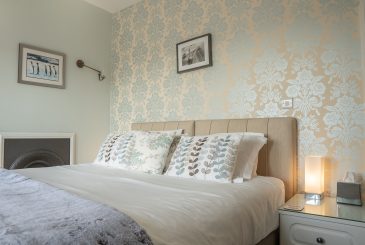
It sits below Wainhouse Tower which means you will never be lost trying to find one’s way home. Cozy and private, the dark stone exterior opens into a modern and well lit interior. The main bed is a dream machine, big and inviting, warm and delightful. BL USA May 2019
Love the view!
It was a great privilage to enjoy the view from bed, which I loved, and all the amenities of this beautiful cottage. Thank You. JO USA May 2019
So much to see in the area
We’ve had a lovely 4 night stay in the cottage and visited the Piece Hall, Hebden Bridge, Haworth and the Yorkshire Sculpture Park. All very interesting
CM UK May 2019
We have had a wonderful stay
Bed was really comfortable. We enjoyed our walks up and down hill into Halifax to see the Piece Hall and along the canal to Hebden Bridge (we got the train back!)
RM UK April 2019
Beautiful cottage
Very homely with everything we needed; thank you.
CW Sept 2018 Australia
Perfect location for visiting cousins in Halifax
Thank you for providing such a lovely house. It is beautifully renovated with every modern convenience and yet retains all the charm of the original house.
DM Sept 2018 USA
Wonderful stay at Dyer’s Cottage
It is beautifully restored with a modern kitchen and bathroom but plenty of original features throughout. Parking was easy and the pub round the corner was very welcoming. Highly recommended!
RF Nov 2018 UK
Beautiful cottage
Very well planned out and superb views.
CP Feb 2019 UK
We loved the cottage
Felt very homely here. Would love to return.
KJ March 2019 UK
Our second visit here this year
Just as good as last time.
BR Dec 2018 UK
A fantastic cottage
Just what we were looking for. A real “home from home”. We will definitely be spreading the word about Dyer’s Cottage. A real gem.
SD Jan 2019 UK
Thank you
Thank you so much for everything. We had a wonderful stay and are just ashamed that we couldn’t enjoy it more as we worked all day.
CW Jan 2019 UK
Lovely Christmas
Just to say we had a really lovely Christmas at Dyer’s Cottage. It was everything we wanted and more.
BT UK Dec 2018
Wonderful!
A wonderful, luxurious property in an historic part of Halifax. The property has undergone a miracle transformation.
JD South Africa Jan 2019
CR, Canada, September 2018
When I walked into your cottage the first thing I said was “I’m home” and that is exactly what it has been for me. My safe place to rest after a long day of travel and exploring, my quiet place to read, journal and pray.
LM, Canada, March 2018
Dyer’s Cottage is exquisite.
SH, USA, September 2017
Thank you for an amazing stay. Jane has been so efficient, welcoming and helpful that we cannot wait to come back. Dyer’s Cottage is beautiful.
BJ, UK, May & Nov 2017
Just perfect. Once I walked through the front door, I was totally at home.
DF, UK, October 2016
Had a lovely “holiday” in the cottage whilst some major work was taking place on our house. Found some new walks and a new pub.
BJ, USA, August 2016
We had a great stay in your cottage whilst visiting family in Halifax. A perfect getaway.
KS, Australia, May 2016
We have had a wonderful time staying in your lovely cottage. We found everything we needed which enhanced our stay. The bed was comfortable and the shower was a pleasure to use.
VA, Germany, April 2016
A beautiful cottage ideally placed. Incredibly well equipped and modernised with great taste. A real ” home from home” experience.


 Screenshot[/caption]